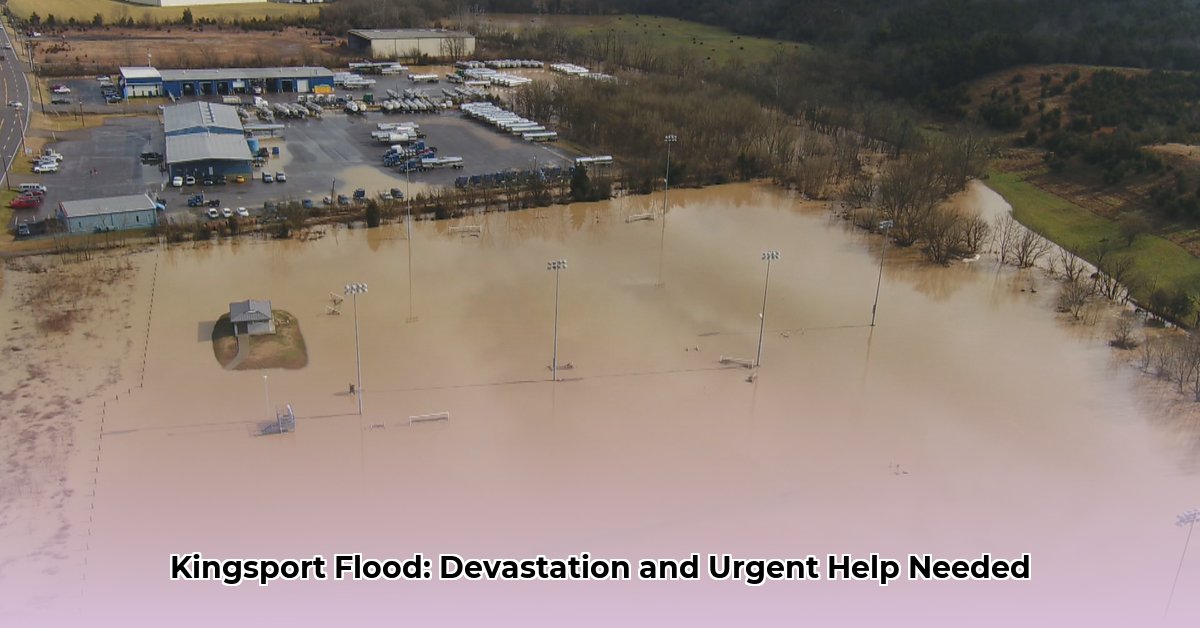
The catastrophic flooding in Kingsport, Tennessee, resulting from Hurricane Helene, has left a trail of devastation across East Tennessee. Homes are destroyed, roads are impassable, and the community grapples with the immense task of recovery. The scale of the damage surpasses that of the 1998 flood, leaving thousands displaced and facing an uncertain future. This article details the immediate needs, the long-term recovery challenges, and the steps necessary to secure federal aid.
Kingsport Flood: A Community in Crisis
Hurricane Helene's torrential rains unleashed a torrent of water upon Kingsport, causing unprecedented flooding throughout Carter County and surrounding areas. The force of the floodwaters was undeniable, evidenced by the collapse of a section of I-26 near Erwin and the submersion of countless homes and vehicles. Images of submerged cars and debris-choked streets paint a stark picture of the widespread devastation. Resident Karlas Lambert poignantly summarized the situation: "This is worse than 1998." The immediate aftermath is marked by widespread destruction and a desperate need for aid. How can this community rebuild from such a catastrophic event? This is a question that weighs heavily on the hearts of those affected.
The impact extends far beyond the physical damage. Thousands have lost their homes and belongings, leaving behind an emotional toll as profound as the physical destruction. The immediate needs for food, water, shelter, and medical care are overwhelming, but the long-term challenges of rebuilding lives and infrastructure promise to be even more daunting. The scale of loss is staggering, forcing many to confront the arduous task of rebuilding from scratch, a daunting prospect for many.
Immediate Needs: A Community's Urgent Plea
The immediate response has been swift, with emergency shelters providing temporary refuge and basic necessities. However, the sheer scale of the crisis far outstrips the immediate aid available. The most pressing concerns are providing shelter for the thousands displaced, as well as accessing and distributing food and water. Many families are left with nothing, facing immediate needs for housing, clothing, and medical care. Insurance companies are struggling to process the massive influx of claims, adding another layer of complexity to the already overwhelming situation. The need for immediate, widespread help is paramount, and the urgency cannot be overstated. How can we ensure that the most vulnerable receive the support they need as quickly as possible? The answer requires immediate action and significant resources.
The Long Road to Recovery: A Multi-faceted Challenge
Rebuilding Kingsport will be a protracted and complex undertaking. The scope of the damage necessitates a coordinated effort from all levels of government, private organizations, and concerned citizens alike. The physical challenges are substantial. Homes require rebuilding or relocation, and crucial infrastructure—roads, bridges, and power lines—must be repaired or replaced. Beyond the immediate physical needs, there are deep-seated emotional wounds. Many families are grappling with grief, trauma, and uncertainty about their future. The question of how a community can heal after a collective trauma of this magnitude requires attention and long-term planning. What support systems are needed to assist the community not just in rebuilding their homes, but in rebuilding their lives? This is a critical question that will guide the coming years of recovery.
Stakeholder Roles and Responsibilities
The recovery effort demands a coordinated strategy, with clear roles and responsibilities assigned across various stakeholders.
| Stakeholder | Immediate Actions | Long-Term Actions |
|---|---|---|
| Flood Victims | Securing temporary shelter, filing insurance claims, seeking government assistance. | Rebuilding homes, accessing mental health services, securing financial stability. |
| Local Government (Kingsport) | Managing emergency response, debris removal, repairing essential infrastructure. | Developing flood mitigation plans, updating building codes, securing long-term reconstruction funding. |
| State Government (Tennessee) | Providing financial and logistical support, coordinating federal aid. | Investing in infrastructure improvements, establishing long-term recovery programs, advocating for funds. |
| Federal Government (FEMA etc.) | Deploying resources, providing financial aid, offering disaster relief programs. | Continuing support for state and local efforts, investing in disaster preparedness research. |
| Insurance Companies | Processing claims, providing funds for temporary housing. | Revising policies related and to ensure fair compensation. |
Understanding the Risks: Lessons Learned
The Kingsport flood exposed critical vulnerabilities in the community's infrastructure and preparedness strategies. The event serves as a stark reminder of the need for improved flood management practices, infrastructure upgrades, and enhanced community resilience. How can we learn from this tragedy to better prepare for future extreme weather events? This requires a long-term commitment to research, planning, and community education. It is a crucial takeaway from the devastating events that have unfolded.
Securing Federal Aid: A Step-by-Step Guide
Access to financial aid is a critical component of recovery. Federal assistance through FEMA is a primary resource, but the process requires careful navigation. Here’s a breakdown of the steps involved:
- Register: File your FEMA application promptly through their online portal, by phone, or in person at designated centers.
- Document: Gather all supporting evidence, including photos, receipts, and insurance information.
- Follow Up: Check your application status regularly. Contact FEMA directly if your application is delayed.
- Appeal: If your application is denied, review the reasons for denial and consider an appeal.
Beyond FEMA, explore state and local aid programs and seek assistance from community organizations offering supplemental resources.
A Path Forward: Rebuilding Stronger
The Kingsport flood demands collaborative action and long-term commitment. By addressing immediate needs, undertaking comprehensive infrastructure upgrades, and investing in improved disaster preparedness, Kingsport can emerge stronger and more resilient. This recovery effort will require a community-wide collaboration, a commitment to learning from this tragic event, and persistent dedication to building a safer, better future for all.